
Aluminium vs Cast Iron Motor Body: Which to Choose
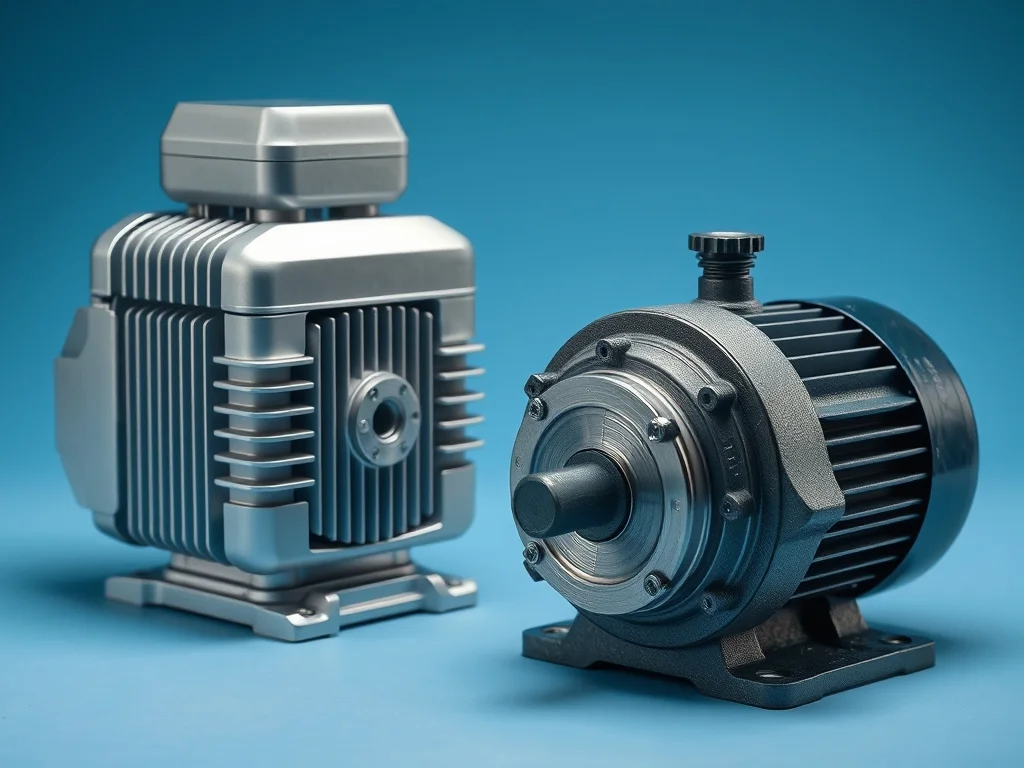
Aluminium vs Cast Iron Motor Body: Which to Choose
Electric motors come in aluminium and cast iron body constructions. Both are proven, but they suit different applications. Choosing the right one affects motor life, weight, and cost. Here is how they compare.
1. Cast Iron Body
Strengths: Rugged, excellent mechanical strength, superior vibration damping, handles heavy industrial duty and rough handling. The default for serious industrial applications. Trade-offs: Heavier and can corrode if the paint is damaged.
2. Aluminium Body
Strengths: Lightweight (up to 40% lighter), naturally corrosion-resistant, excellent heat dissipation (runs cooler), clean finish for hygienic environments. Trade-offs: Less mechanically robust than cast iron for the heaviest duties and largest frames.
3. Which for Which Application
- Heavy industry, continuous duty, large frames: Cast iron (e.g. RHINO, SHEETAL series)
- HVAC, food & beverage, pharma, marine, portable equipment: Aluminium (e.g. ELiTE, Comfort Plus series)
- Corrosive or washdown environments: Aluminium for corrosion resistance
- High-vibration or shock loads: Cast iron for damping and strength
4. Cost Consideration
Aluminium is often lighter and can be cost-effective in smaller frames; cast iron dominates larger frames and heavy-duty applications. The right choice is driven by the working environment more than by price alone.
We stock both cast iron and aluminium body motors across the range — tell us your environment and we will recommend the right construction. Contact us or send a motor inquiry for expert guidance from our Mumbai and Ahmedabad teams.