
Brake Motors for Cranes & Hoists: Selection Guide
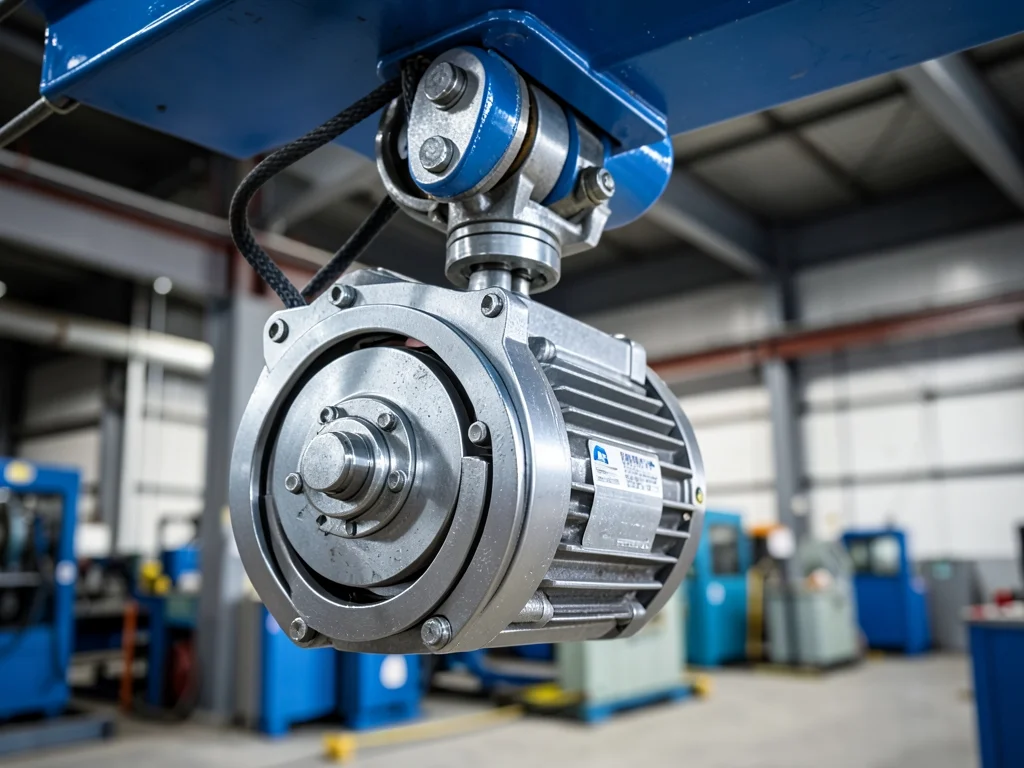
Brake Motors for Cranes & Hoists: Selection Guide
Cranes, hoists, and lifting equipment need motors that stop precisely and hold the load safely — a job for brake motors. The integrated brake is a safety-critical component. Here is how to select the right one.
1. How a Brake Motor Works
A brake motor has an electromagnetic brake built onto the motor. The brake is spring-applied and electrically released: when power is on, the brake releases and the motor runs; when power is cut (or lost), the spring applies the brake instantly. This fail-safe design means the load is held even during a power failure — essential for lifting safety.
2. Brake Torque Selection
The brake torque must be sufficient to stop and hold the load reliably — typically specified as a multiple of the motor's rated torque (often 1.5-2×). Under-specified brake torque cannot hold the load safely; this is the most critical selection parameter.
3. Duty & Cycling
Hoisting applications involve frequent starts, stops, and reversals. The motor and brake must handle the required cycles per hour without overheating. High-cycle applications need appropriately rated motors and brakes.
4. Safety Features
- Manual release lever: For lowering a load during power failure
- Brake wear monitoring: The friction lining wears over time and needs periodic checking
- Correct IP rating: For the working environment
5. Application Matching
Overhead cranes, EOT cranes, hoists, gates, and conveyors each have specific requirements. Correct brake motor selection considers load, duty cycle, stopping accuracy, and safety margin.
Selecting a brake motor for lifting duty is safety-critical. Our engineers specify the correct brake torque and duty rating for your crane or hoist. Contact us or send a motor inquiry for expert guidance from our Mumbai and Ahmedabad teams.