
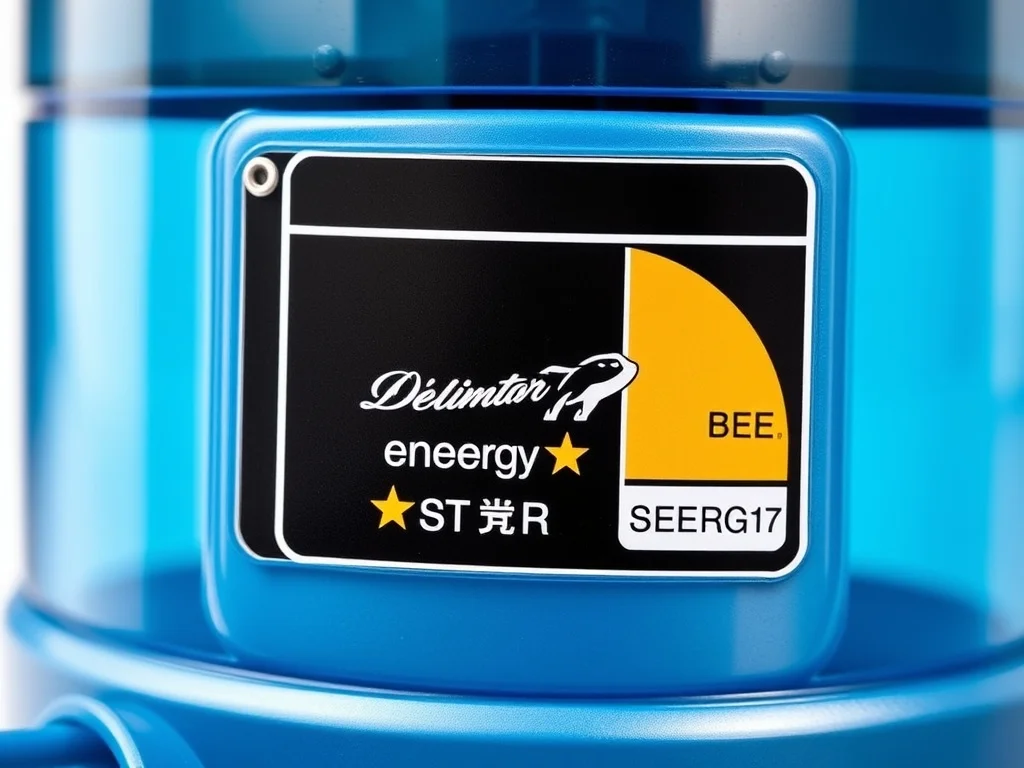
BEE Star Rating & Labels on Pumps: What They Mean
A guide to BEE star ratings and energy labels on water pumps in India — what the stars mean, how they affect running cost, and why they matter when buying.
Read More →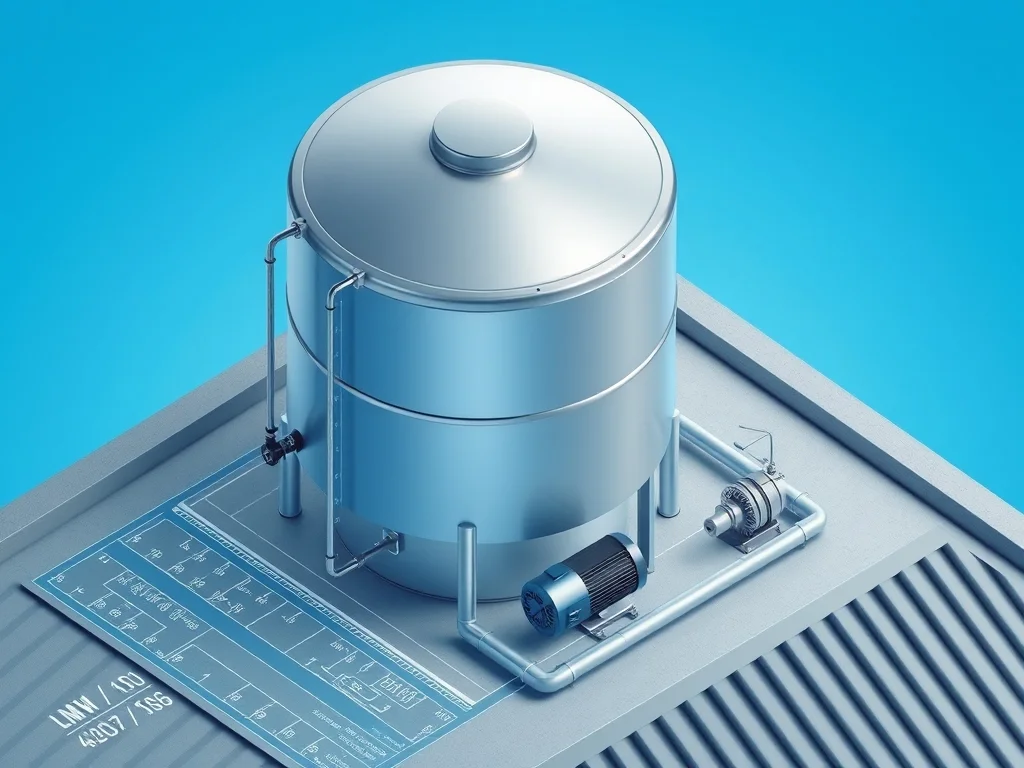
Sizing a pump to fill your overhead tank correctly means it fills in a reasonable time without wasting energy or cycling constantly. This guide shows the simple calculation with real examples.
1. The Two Numbers You Need
2. Calculate Required Flow Rate
Decide how quickly you want the tank filled. Flow rate = Tank capacity ÷ Desired fill time. Example: a 1,000-litre tank you want filled in 20 minutes needs 50 litres/minute.
3. Calculate Head
Head = height from the pump/sump water level to the tank inlet + pipe friction + safety margin. For a typical 2-storey home: about 8m lift + 2m friction = 10m head.
4. Worked Example
1,000L tank, fill in 20 min (50 LPM), 2-storey home (10m head). A 1 HP monoblock or 1 HP submersible comfortably delivers 50+ LPM at 10m — the right choice.
5. Avoid These Mistakes
Give us your tank size, floors, and water source and we will calculate and supply the correctly-sized pump. Contact us or send a pump inquiry for free sizing guidance.
A guide to BEE star ratings and energy labels on water pumps in India — what the stars mean, how they affect running cost, and why they matter when buying.
Read More →
A 2026 guide to the PM-KUSUM solar pump subsidy scheme for Indian farmers — covering eligibility, subsidy amount, the application process, and how to get started.
Read More →
A guide to choosing pumps for farmhouses and weekend homes in India — covering borewell supply, garden irrigation, and pressure needs for intermittently-used properties.
Read More →