
Insulation Classes (B, F, H) in Motors Explained
Insulation Classes (B, F, H) in Motors Explained
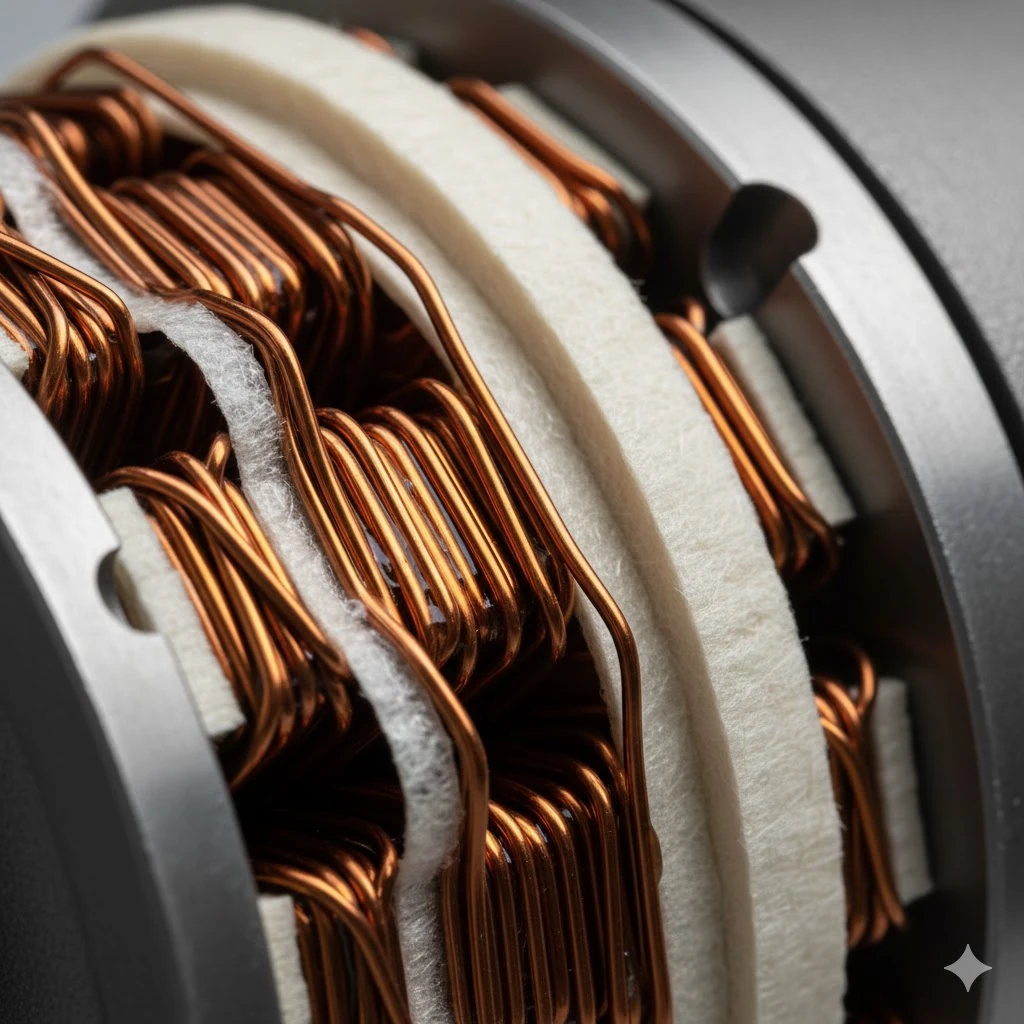
The insulation system inside an electric motor protects the windings from heat, moisture, chemical exposure, and electrical stress. Understanding insulation classes—Class B, Class F, and Class H—is essential for selecting the right motor for your operating environment and ensuring long service life. CG Power motors follow strict insulation standards to deliver high reliability in Indian conditions.
1. What Are Insulation Classes?
Insulation classes define the maximum temperature a motor winding can safely withstand. The temperature limit includes:
- Ambient Temperature
- Temperature Rise (due to load)
- Hot Spot Allowance
The sum of these must not exceed the insulation class limit.
2. Insulation Class Temperature Limits
| Insulation Class | Max Operating Temperature | Typical Applications |
|---|---|---|
| Class B | 130°C | Standard loads, indoor applications |
| Class F | 155°C | Industrial pumps, compressors, conveyors |
| Class H | 180°C | High-temperature, hazardous, or VFD environments |
3. Why Insulation Class Matters
- Temperature Handling: Higher classes tolerate higher heat, improving motor lifespan.
- Duty Conditions: Motors in continuous duty (S1) or variable load duty benefit from Class F or H insulation.
- VFD Operation: Harmonics generate additional heat—Class F or H insulation recommended.
- Environment: Hot, humid, or dusty environments require robust insulation.
4. CG Power Insulation Systems
- CG uses Class F insulation as standard on most IE2/IE3 motors.
- Class H insulation available for flameproof motors and demanding applications.
- Vacuum Pressure Impregnation (VPI) enhances winding durability.
- High-grade enamel and slot wedges improve thermal resistance.
5. Choosing the Right Insulation Class
- Class B: Light-duty, low ambient temperatures.
- Class F: Most industrial applications; ideal for pumps, blowers, general machinery.
- Class H: High ambient heat, VFD-driven motors, hazardous areas.
Final Thoughts
Choosing the correct insulation class is critical for motor longevity and performance. CG Power motors use high-quality insulation systems that meet global standards, ensuring durability even in tough Indian environments. Bombay Engineering Syndicate helps customers select the right insulation class based on application, duty cycle, and ambient conditions.
Contact us today for expert guidance on insulation class selection and CG Power motor specifications.
By: Manish Chandrani; +919825014977