
Low Water Pressure in the House: Causes & Pump Solutions
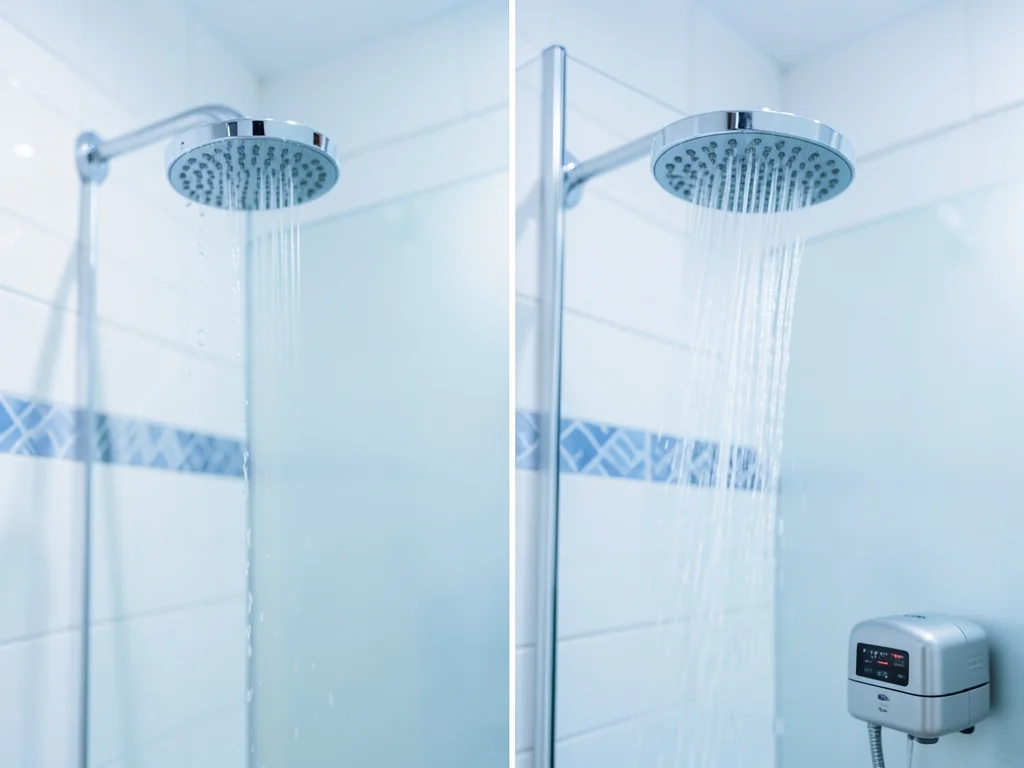
Low Water Pressure in the House: Causes & Pump Solutions
Weak water flow from showers, taps, and geysers is one of the most common household complaints — especially on upper floors and in high-rise flats. In most cases the fix is a correctly-sized pressure booster pump. Here is how to diagnose and solve it.
1. Why Pressure Is Low
- Insufficient tank height: Gravity alone cannot create strong pressure for modern fittings
- Upper floors: Less height between tank and tap means weaker flow
- Long or narrow pipes: Friction reduces pressure by the time water reaches the tap
- Multiple simultaneous outlets: Pressure drops when several taps run at once
2. The Solution: Pressure Booster Pump
A pressure booster pump installed after the tank raises water pressure to a consistent, strong level. Modern boosters have automatic pressure switches — they start when you open a tap and stop when you close it, fully automatic.
3. Choosing the Right Booster
- Single bathroom: A compact shower booster pump
- Whole flat: An inline pressure booster sized to your number of bathrooms
- Whole building / society: A multi-stage pressure booster system with automatic control
4. Installation Notes
Boosters are installed on the outlet side of the overhead tank. Dry-run protection is important — it stops the pump if the tank empties. Correct sizing matters: an oversized booster wastes energy and can cause water hammer.
Tell us your home layout — floors, bathrooms, tank position — and we will recommend the exact booster pump to fix your pressure. Contact us or send a pump inquiry for free sizing guidance.