
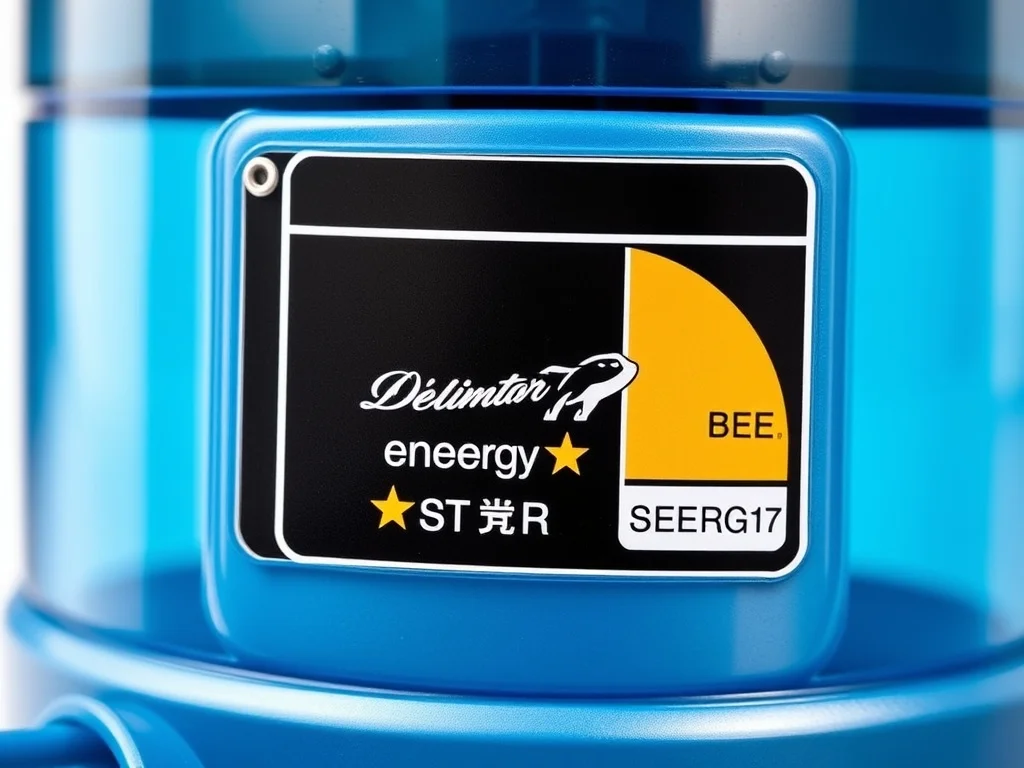
BEE Star Rating & Labels on Pumps: What They Mean
A guide to BEE star ratings and energy labels on water pumps in India — what the stars mean, how they affect running cost, and why they matter when buying.
Read More →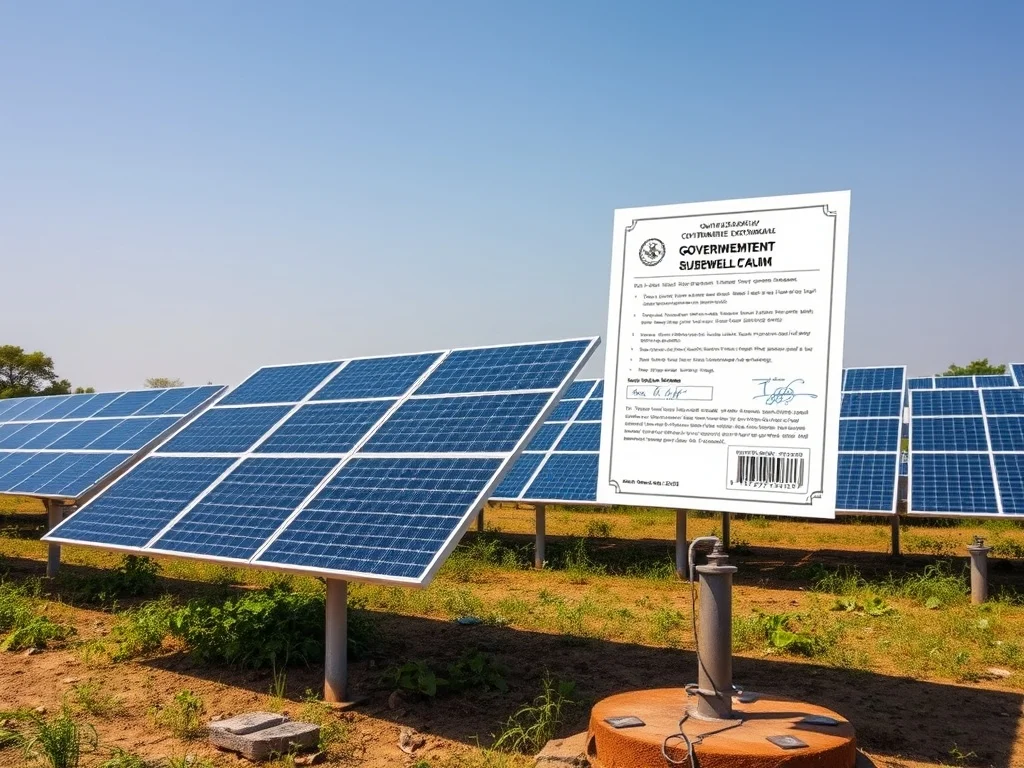
PM-KUSUM (Pradhan Mantri Kisan Urja Suraksha evam Utthaan Mahabhiyan) helps Indian farmers switch to solar-powered irrigation pumps with subsidies of 60-90%. For farmers paying for diesel or unreliable grid power, this is a transformative scheme. Here is how it works and how to apply.
1. What the Scheme Offers
PM-KUSUM has three components. The one most relevant to individual farmers is Component B: stand-alone solar pumps for off-grid farms, with central and state subsidies together covering 60-90% of the cost. Component C supports solarising existing grid-connected pumps.
2. Subsidy Amount
Typical structure: 30% central subsidy + 30% state subsidy + farmer contribution, with the farmer sometimes able to fund their share through a loan. In many states the effective farmer cost for a 5 HP solar pump drops to a fraction of the unsubsidised price.
3. Eligibility
4. How to Apply
5. Choosing the Right Solar Pump
The pump must be MNRE-listed to qualify. Sizing depends on your water requirement, borewell depth, and sunlight hours. BES supplies MNRE-listed Crompton solar pumps and helps farmers with sizing and subsidy documentation.
We help farmers choose the right MNRE-listed solar pump and navigate PM-KUSUM paperwork. Contact us or send a pump inquiry for free sizing guidance.
A guide to BEE star ratings and energy labels on water pumps in India — what the stars mean, how they affect running cost, and why they matter when buying.
Read More →
A guide to choosing pumps for farmhouses and weekend homes in India — covering borewell supply, garden irrigation, and pressure needs for intermittently-used properties.
Read More →
A practical guide to calculating the right pump capacity for filling your home water tank — covering flow rate, head, fill time, and worked examples.
Read More →