
Pump Cavitation: Causes, Symptoms, and Prevention
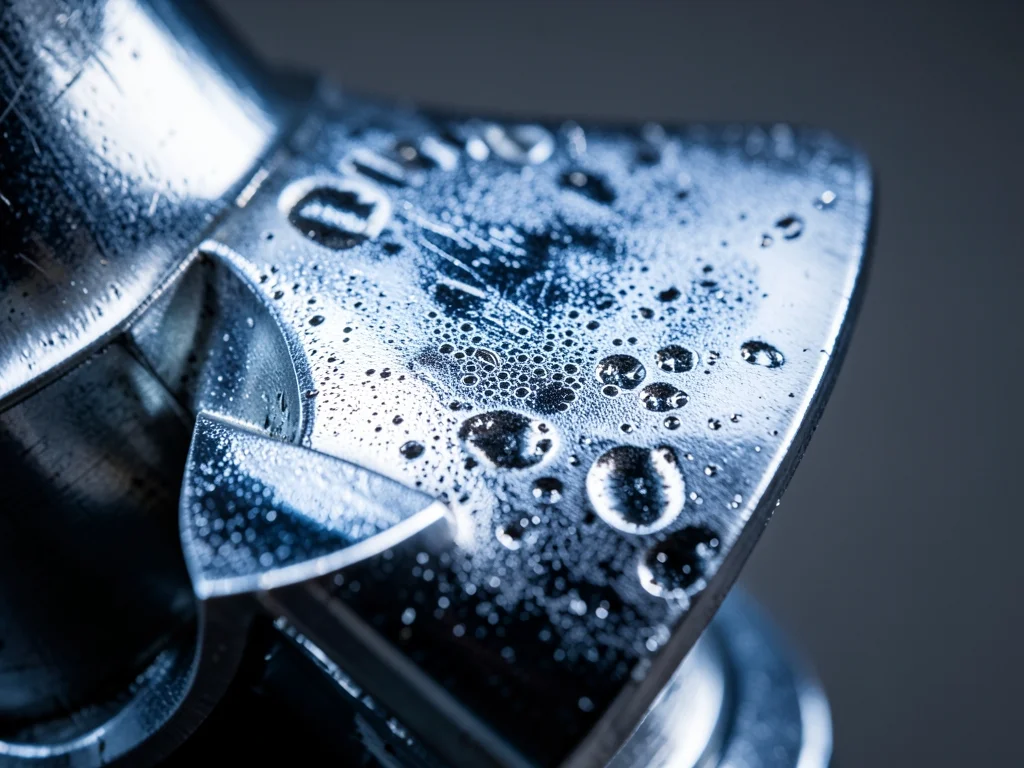
Pump Cavitation: Causes, Symptoms, and Prevention
Cavitation is the formation and violent collapse of vapour bubbles inside a pump. When liquid pressure inside the impeller drops below the liquid's vapour pressure, the liquid flashes to vapour. These bubbles then collapse as they enter higher-pressure regions, releasing localised shock waves that erode metal surfaces. A pump suffering cavitation may sound like it is pumping gravel — and the damage it causes is real, expensive, and largely preventable.
1. What Causes Cavitation
All cavitation cases stem from one root issue: not enough pressure at the pump inlet to keep the liquid in liquid state. The specific triggers include:
- Insufficient NPSH: Available NPSH is less than the pump's required NPSH (see our NPSH article)
- High suction lift: Pump mounted too far above the source liquid
- Restricted or clogged suction line: Strainer blockage, partly-closed valve, undersized pipe
- Hot liquids: Higher temperature = higher vapour pressure = easier to flash
- Excessive flow rate: Operating right-of-BEP (Best Efficiency Point) increases NPSHr
- Pump speed too high: NPSHr grows with the square of speed — over-speeding a pump causes cavitation
- Air ingestion: Vortex formation in supply tank pulls air into the suction
2. Symptoms — How to Spot Cavitation Early
- Sound: Crackling, popping, or "gravel in the pump" noise
- Vibration: Random high-frequency vibration, often above 5 mm/s
- Pressure gauges: Erratic discharge pressure that swings up and down
- Reduced flow: Pump delivers less than rated flow at the same speed
- Power dip: Motor amps fluctuate or drop unexpectedly
- Visible damage: On disassembly — pitting on impeller blade leading edges, especially on the low-pressure side
3. Types of Cavitation
- Inlet cavitation (NPSH-driven): Most common; occurs at the eye of the impeller. Caused by insufficient NPSHa.
- Discharge cavitation: Caused by operating against a closed valve or far-left-of-BEP — recirculation inside the volute.
- Vane-pass cavitation: Caused by impeller-volute tongue clearance issues; produces a tonal noise at vane-pass frequency.
- Internal recirculation cavitation: Operating far-right-of-BEP or far-left at high speeds; damages impeller hub.
4. Damage Pattern — Reading the Impeller
If you suspect cavitation, inspect the impeller. The damage pattern tells you the cause:
- Pitting on the blade leading edge, low-pressure side → inlet cavitation, fix NPSH
- Pitting near the impeller hub → internal recirculation, operating too far from BEP
- Wear on the volute cutwater opposite an impeller vane → vane-pass cavitation
5. Prevention Checklist
- Calculate NPSHa during system design — maintain at least 0.5 m margin over NPSHr
- Keep suction pipe short, straight, and one size larger than discharge
- Eliminate elbows, tees, and partially-open valves on the suction side
- Install a properly sized strainer with regular maintenance schedule
- Operate pump within ±10% of its Best Efficiency Point (BEP)
- Match pump speed to design conditions — avoid over-speeding
- For hot or volatile liquids, use flooded suction with positive head
- Consider an inducer or multi-stage pump for low-NPSHa applications
6. Once Damage Has Occurred
Cavitation damage compounds. A pitted impeller cavitates more easily, which causes more damage, in a self-accelerating cycle. If you find pitting, replace the impeller and fix the root cause simultaneously — never just polish over the damage. Mechanical seals and bearings often need replacement at the same time.
Bombay Engineering Syndicate supplies replacement impellers and complete Crompton pump units to operators dealing with cavitation damage. Our team also offers free system audits — we visit your site, measure NPSHa, and recommend corrective changes to your suction piping, mounting, or pump selection. Contact us before cavitation costs you the next impeller.