
Star vs Delta Motor Wiring: Terminal Connections Explained
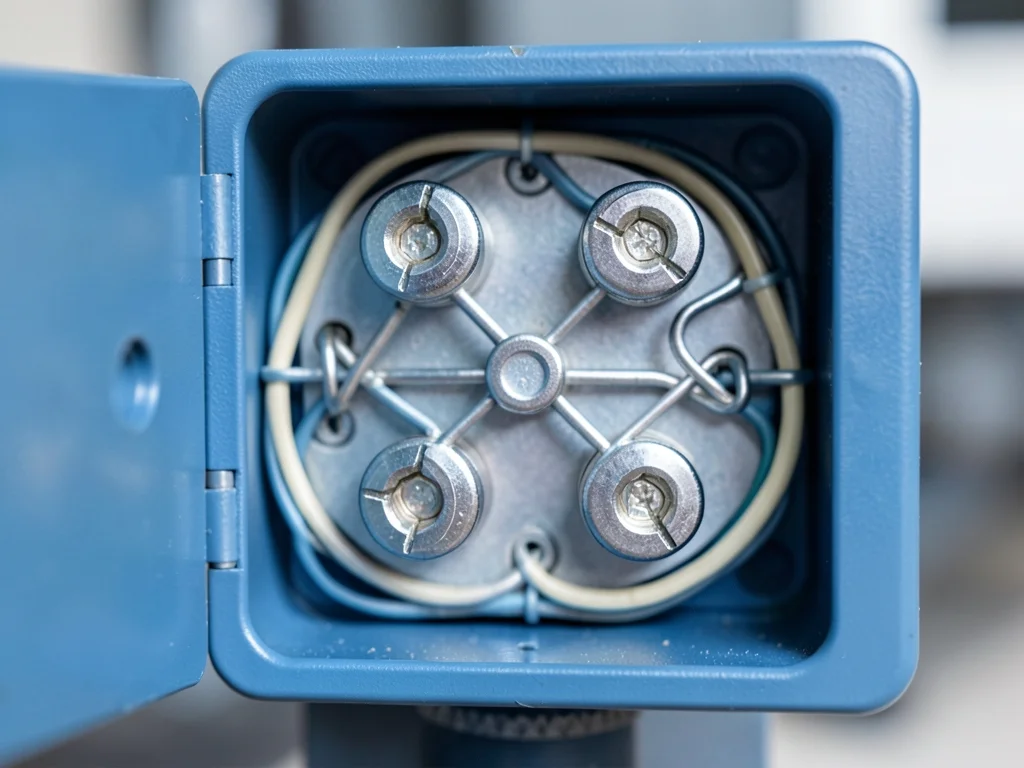
Star vs Delta Motor Wiring: Terminal Connections Explained
Every three-phase motor terminal box can be wired in star (Y) or delta (Δ). Getting this connection right is fundamental — wrong wiring means the motor runs at wrong voltage, draws wrong current, or does not run at all. Here is how it works.
1. The Six Terminals
A three-phase motor has six winding terminals in the box (U1, V1, W1 and U2, V2, W2). How you link them determines star or delta connection. Metal links (busbars) join the terminals in one of two patterns.
2. Star (Y) Connection
The three winding ends (U2, V2, W2) are joined together at a common point; supply connects to U1, V1, W1. Star connection applies less voltage across each winding (line voltage ÷ √3). Used for higher-voltage supply and for reduced-voltage starting.
3. Delta (Δ) Connection
Each winding end connects to the start of the next, forming a triangle; supply connects at the three junctions. Delta applies full line voltage across each winding, giving full power and torque. Used for running at the motor's rated voltage.
4. Which to Use — Read the Nameplate
The nameplate specifies the connection for your supply voltage, e.g. "415V Δ / 690V Y." At 415V three-phase (standard in India), such a motor runs in delta. Connecting it in star at 415V would under-power it. Always match the connection to the nameplate and supply.
5. Star-Delta Starting
Star-delta starters use both connections in sequence: start in star (reduced current and torque), then switch to delta (full power) once running. This reduces starting inrush for medium-size motors driving light loads.
Unsure how to connect your motor for your supply? Send us the nameplate details and we will confirm the correct star or delta wiring. Contact us or send a motor inquiry for expert guidance from our Mumbai and Ahmedabad teams.