
Submersible Pump Runs But No Water: Troubleshooting Guide
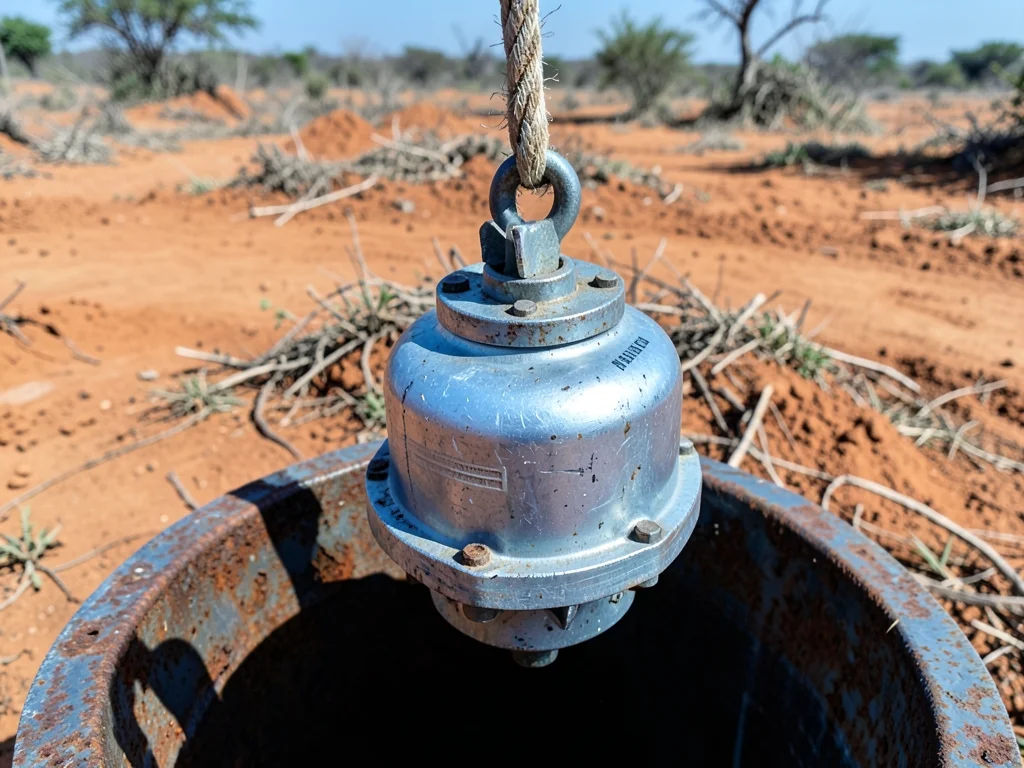
Submersible Pump Runs But No Water: Troubleshooting Guide
A submersible pump running with no water output is different from a surface pump problem — there is no priming issue underwater. The causes are specific to borewell pumps. Here is how to work through them systematically.
1. Water Level Dropped Below Pump
The most common cause. Groundwater has fallen and the pump is now above water, running dry. Fix: Check the borewell water level. Lower the pump if the borewell is deep enough, or wait for recharge. Always fit dry-run protection.
2. Non-Return Valve Stuck
A jammed NRV blocks the delivery. Fix: The pump must be pulled out to inspect and replace the NRV.
3. Worn or Damaged Impellers
Sandy or hard water erodes the impeller stages over time until they cannot build pressure. Fix: Pull the pump; replace the impeller/bowl assembly or the pump.
4. Wrong Rotation (Three-Phase)
Reversed phase sequence spins the pump backwards — it runs quietly but pumps almost nothing. Fix: Swap any two phase wires at the panel and test.
5. Broken Delivery Pipe or Coupling
A cracked riser pipe or failed coupling underground lets water escape back into the borewell. Fix: Pull the pump and inspect the pipe column.
6. Motor-Pump Decoupling
In bolted pump-motor sets, a sheared coupling means the motor spins but the pump does not. Fix: Inspect the coupling on removal.
Diagnosing a submersible usually means pulling it out — our team handles borewell pump inspection and supplies genuine replacement parts. Contact us or send a pump inquiry for free sizing guidance.