
Why Motor Bearings Fail Early (And How to Prevent It)
Why Motor Bearings Fail Early (And How to Prevent It)
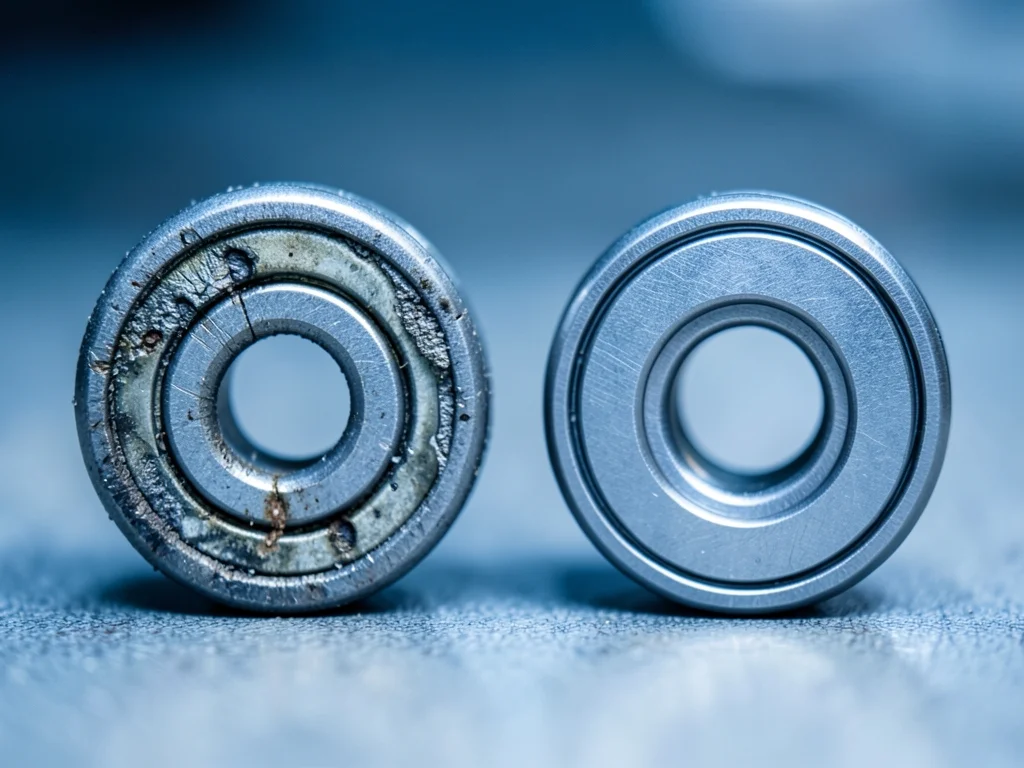
Bearing failure is the single most common cause of motor breakdown. The good news: most bearing failures are premature and preventable. Understanding why bearings fail early lets you make them last their full design life of 40,000+ hours.
1. Over-Greasing (Yes, Really)
Counterintuitively, too much grease is a leading cause of bearing failure — it churns, overheats, and breaks down. Prevent: Grease the correct small quantity at the correct interval, not "more to be safe."
2. Under-Greasing / Wrong Grease
Too little grease, or the wrong type, starves the bearing. Prevent: Follow the manufacturer's grease type and schedule; never mix incompatible greases.
3. Contamination
Dust, water, and dirt entering the bearing cause rapid wear. Prevent: Use sealed bearings in dirty environments; maintain seals; keep the motor clean.
4. Misalignment
Poor coupling alignment loads the bearing unevenly, causing early failure. Prevent: Align the motor and driven equipment accurately (laser alignment for critical machines).
5. Excessive Vibration
Vibration from imbalance, looseness, or the driven equipment pounds the bearings. Prevent: Balance rotating parts; tighten mountings; monitor vibration.
6. Electrical Bearing Currents (VFD-Driven Motors)
VFDs can induce shaft currents that pit the bearing races (electrical fluting). Prevent: Use insulated bearings or shaft grounding rings on VFD-fed motors.
7. Belt Over-Tension
An over-tight belt overloads the drive-end bearing. Prevent: Tension belts to specification, not "as tight as possible."
Bearings are cheap; the breakdown they cause is not. We supply genuine bearings and advise on greasing and alignment to make them last. Contact us or send a motor inquiry for expert guidance from our Mumbai and Ahmedabad teams.