
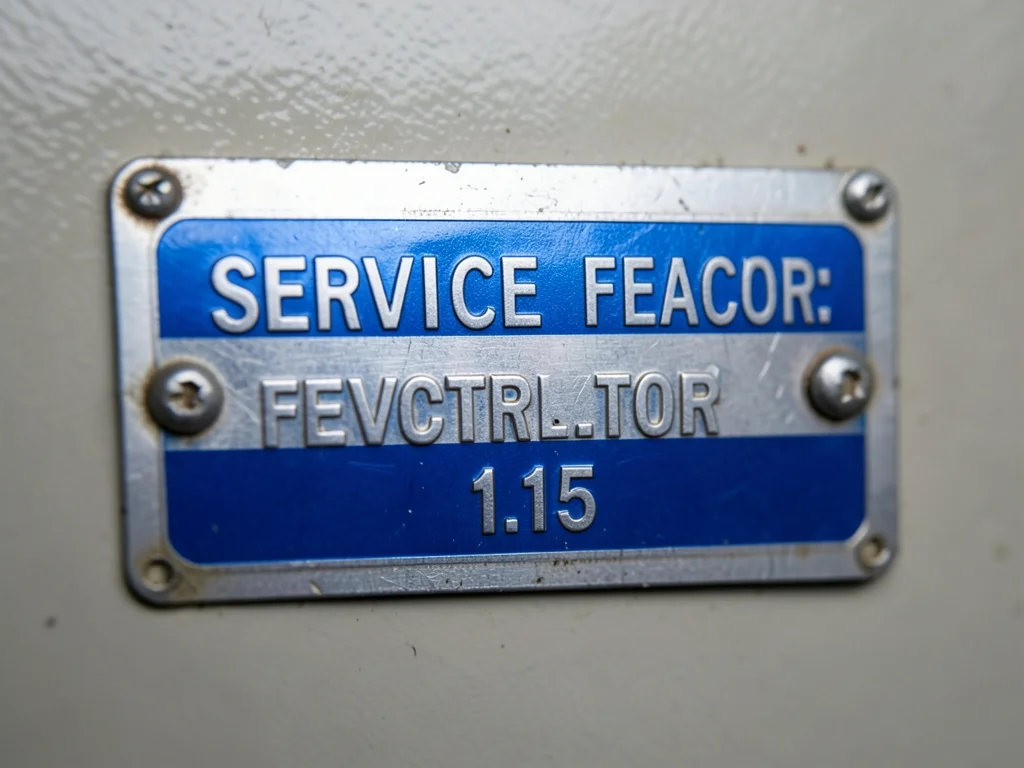
Motor Service Factor Explained: What It Really Means
A clear explanation of motor service factor — what the number on the nameplate means, how much overload it allows, and why it matters when sizing and buying motors.
Read More →How to read and specify an electric motor: nameplates, mounting codes, cooling methods, insulation classes, duty cycles, frame materials and the standards behind them. Start here when you need to choose a motor or match a replacement.
A clear explanation of motor service factor — what the number on the nameplate means, how much overload it allows, and why it matters when sizing and buying motors.
Read More →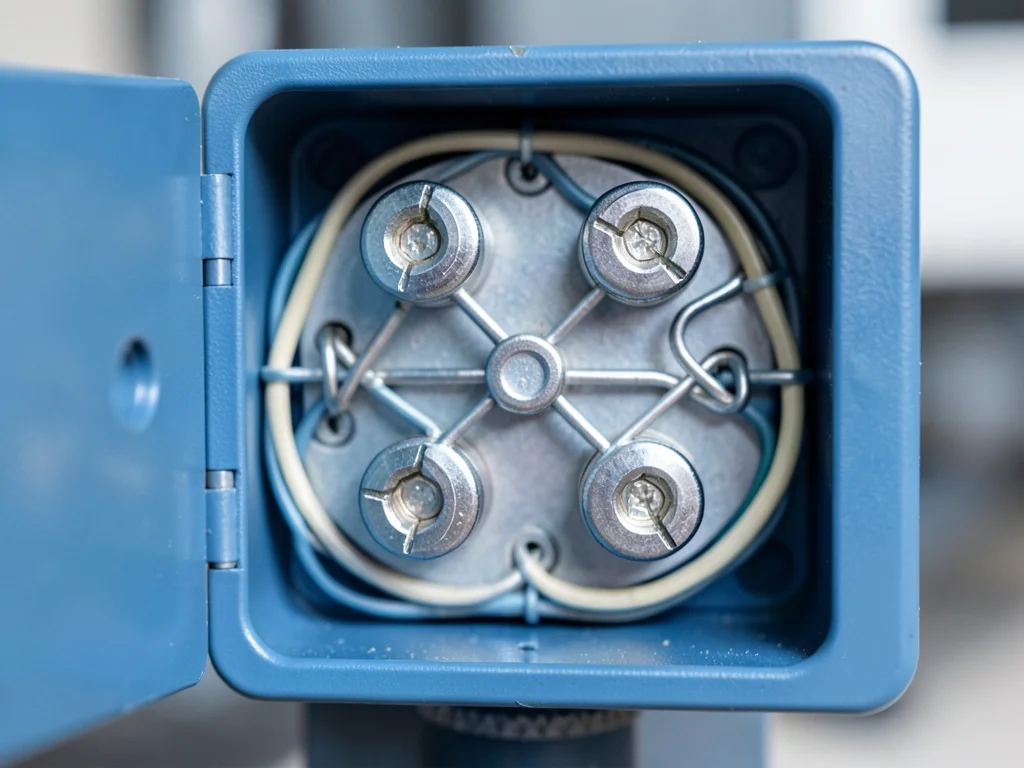
A practical explanation of star and delta motor connections — how each is wired at the terminal box, the difference they make, and when to use which.
Read More →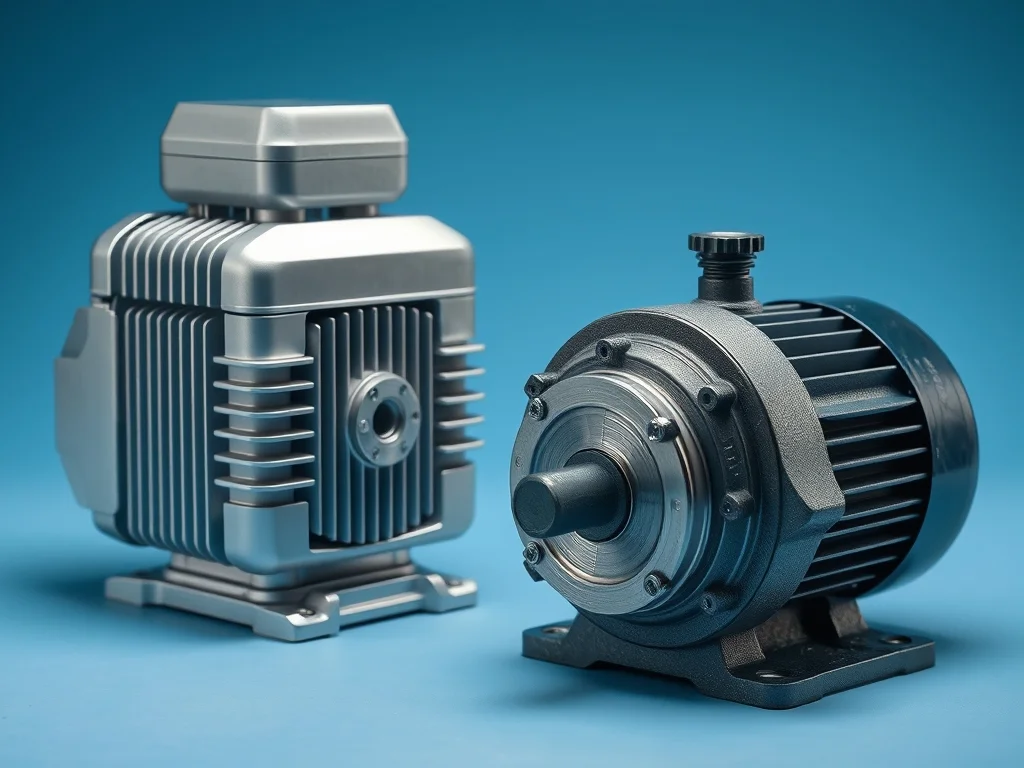
A comparison of aluminium and cast iron motor bodies — weight, durability, heat dissipation, corrosion resistance, and which construction suits your application.
Read More →
A practical guide to selecting the correct motor horsepower (HP) for your application — avoiding oversizing and undersizing, with method and examples.
Read More →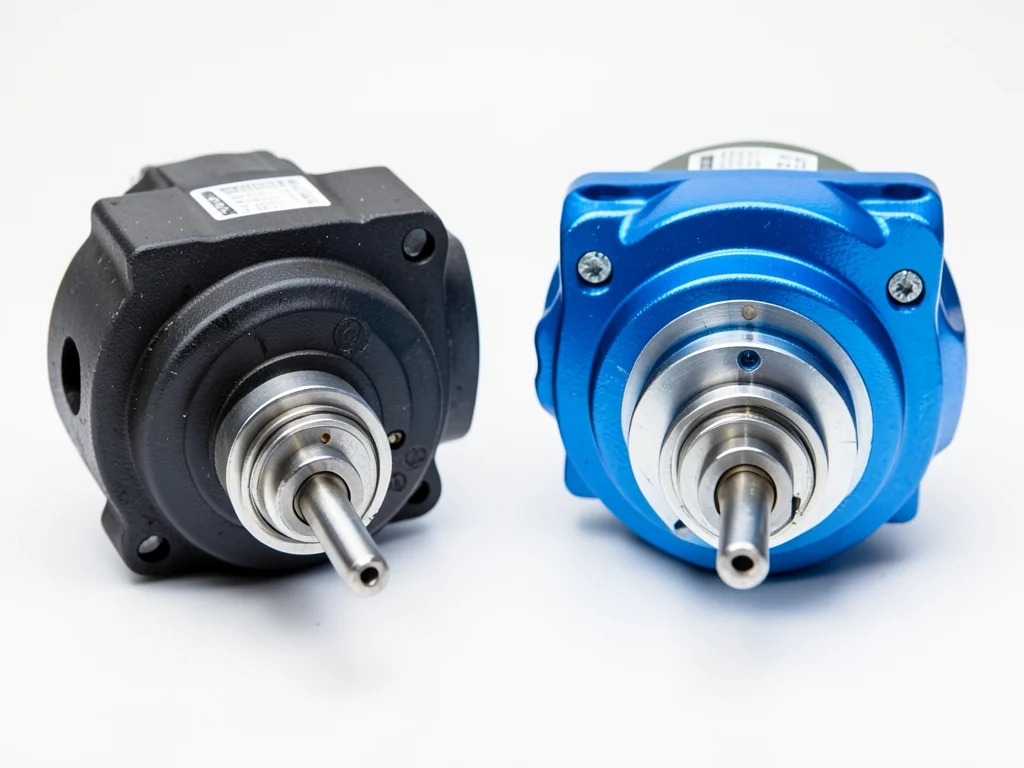
A clear comparison of NEMA (USA) and IEC (European/Indian) motor standards. Covers frame size, voltage, efficiency classes, mounting, and how to select interchangeable motors when working with imported equipment.
Read More →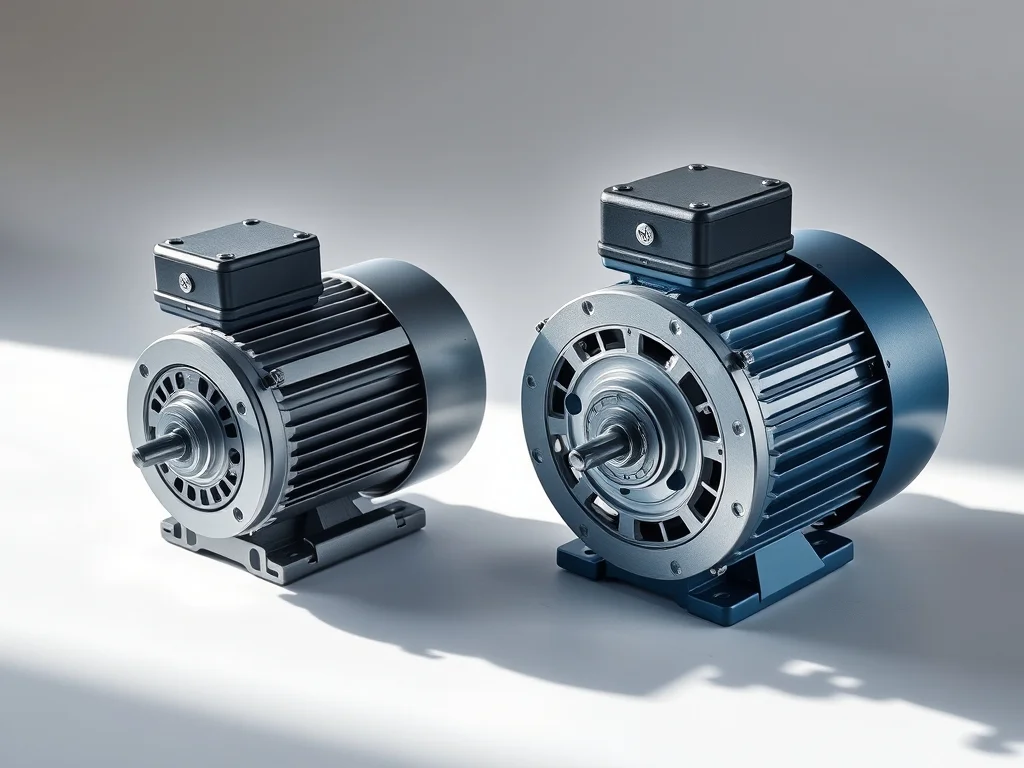
A clear, practical comparison of single-phase and three-phase motors — covering supply requirements, power range, efficiency, starting torque, cost, and typical applications. Helps you choose the right motor for residential, commercial, or industrial us
Read More →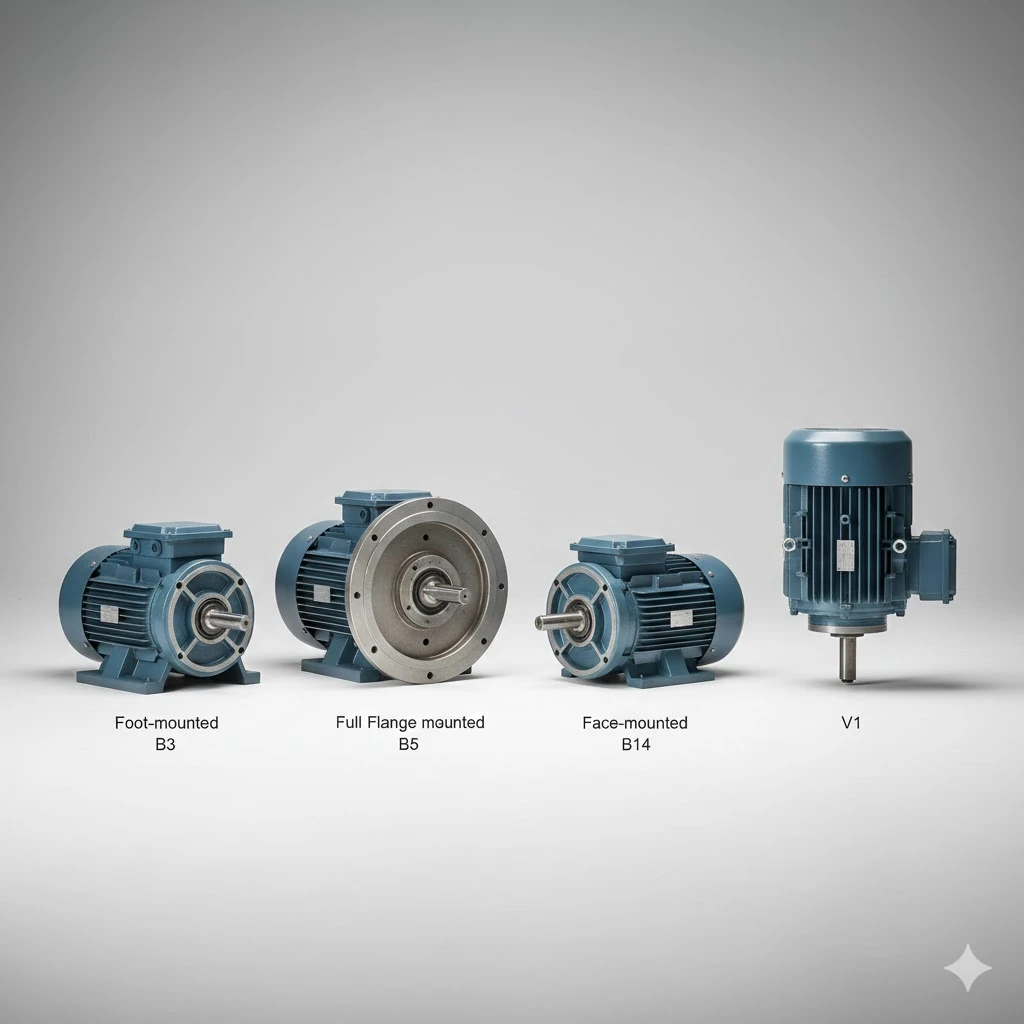
What B3, B5, B14, B34, B35, V1 and V3 motor mounting mean, with a full IEC mounting chart, IM codes, B5 flange sizes by frame, B5 vs B14, and how to choose.
Read More →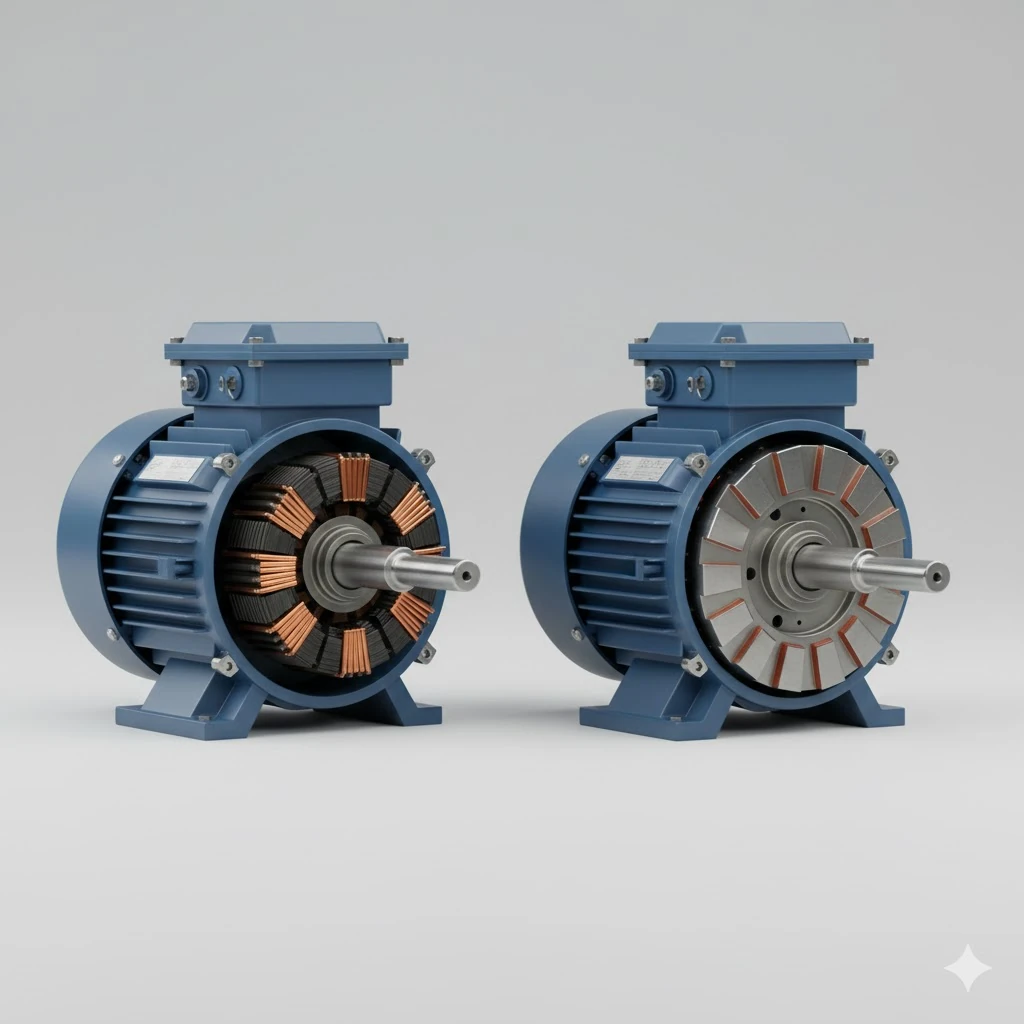
A technical comparison of synchronous vs induction motors—covering working principles, speed, efficiency, power factor, construction, applications, and cost. Helps users understand which motor type is ideal for their requirement, supported by solutions
Read More →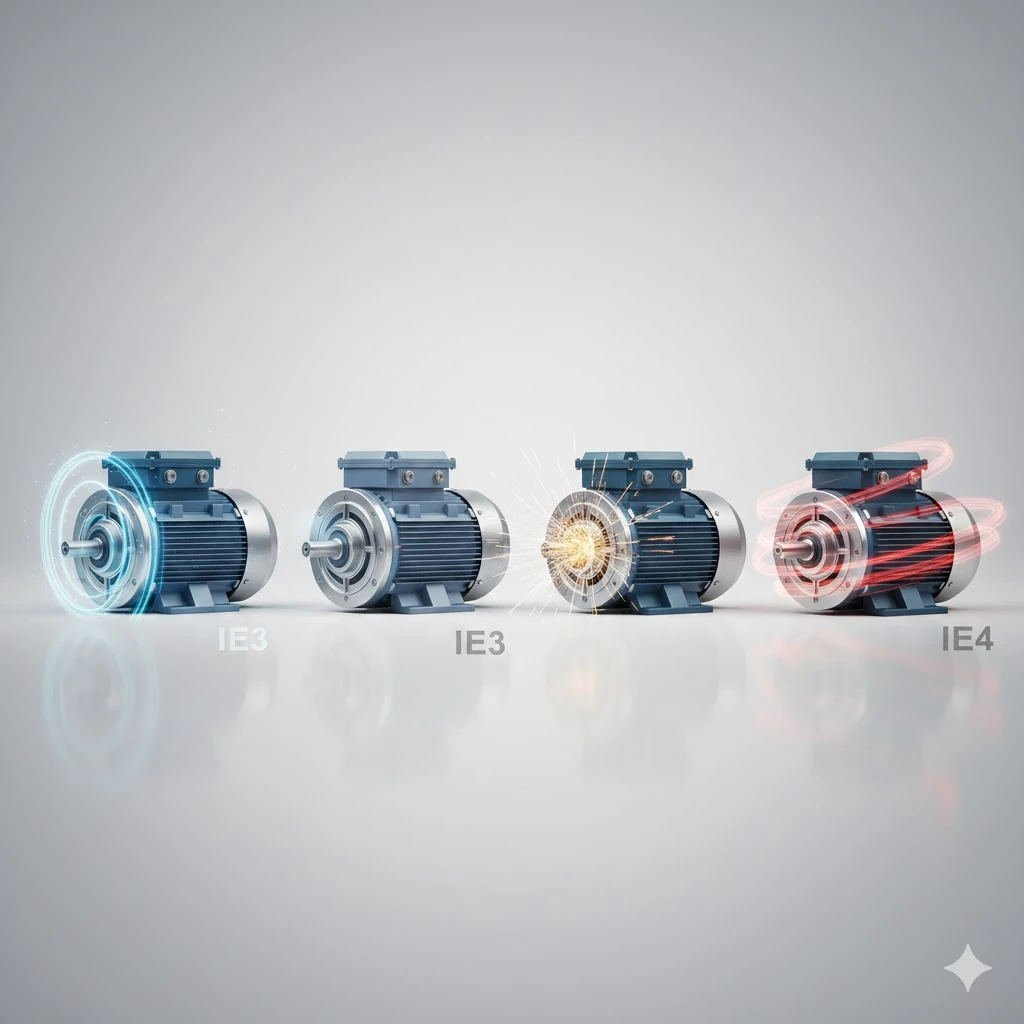
A clear guide to IEC motor duty cycles S1–S9, explaining how motors operate under different load and time conditions. Helps engineers choose the correct motor based on application demands—preventing overheating, reducing downtime, and ensuring long-te
Read More →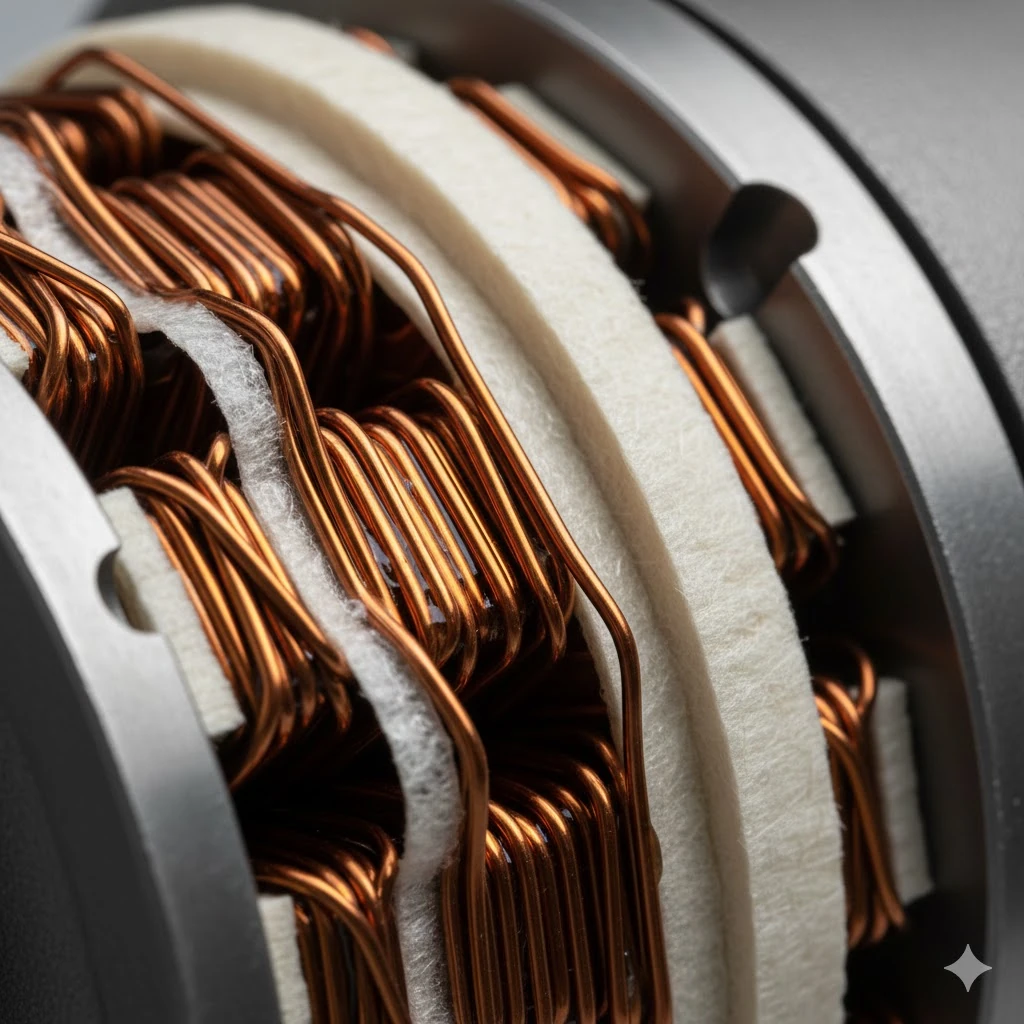
Insulation class B, F and H temperature limits (130, 155, 180°C), allowed temperature rise, what "Class F insulation with Class B rise" means, and how VFDs affect insulation.
Read More →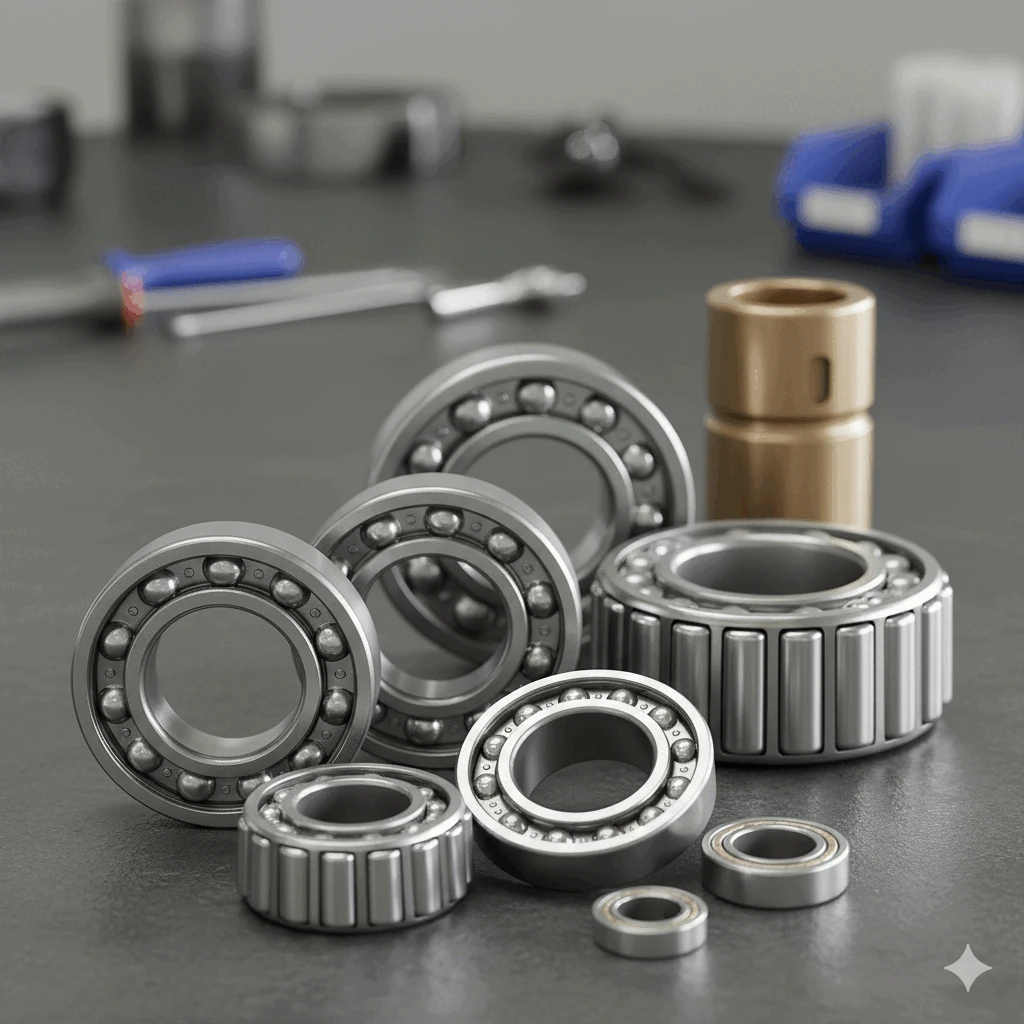
Ball, roller, angular contact and sleeve bearings in electric motors, how to read a bearing number like 6309 ZZ C3, common bearing failures and maintenance practice.
Read More →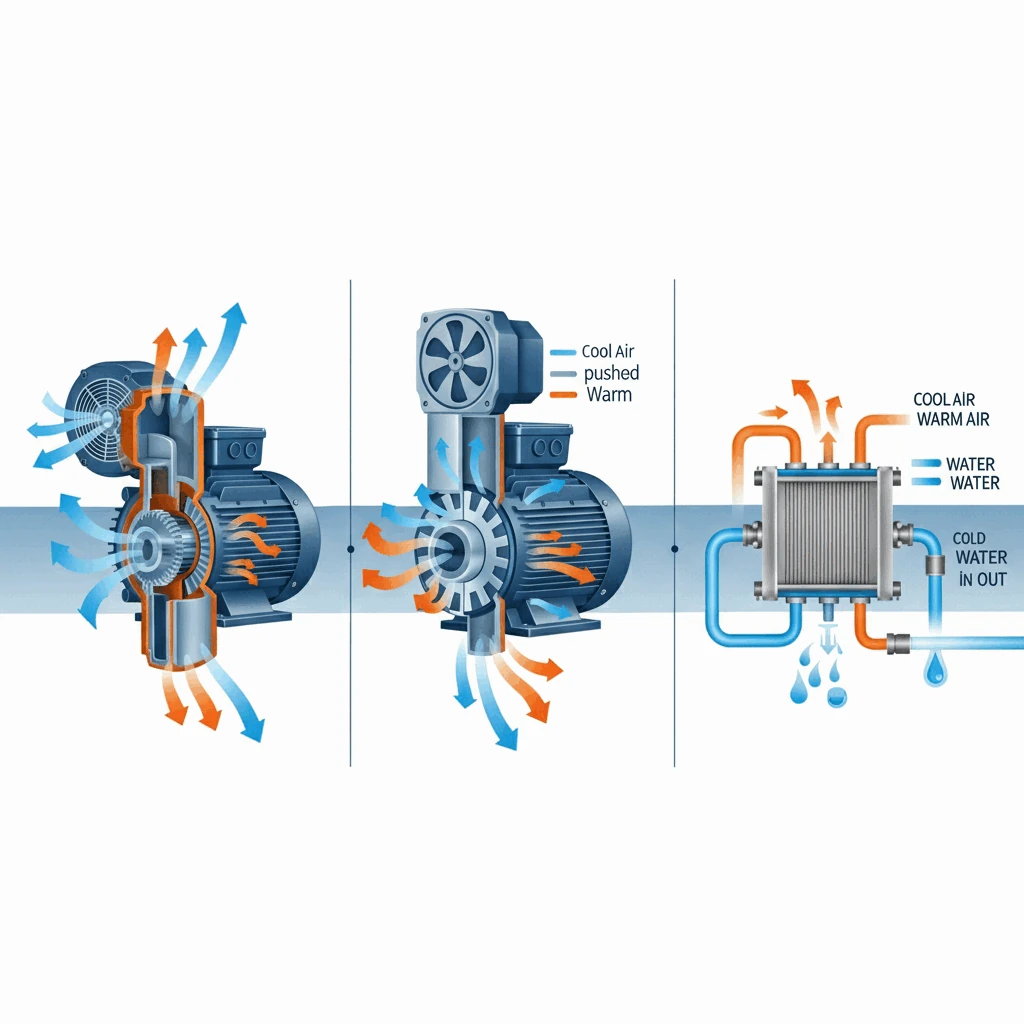
How to read IC cooling codes (IEC 60034-6): IC01, IC410, IC411 TEFC, IC416, IC418 air-over, IC511, IC611 CACA and IC81W CACW, with a comparison table and when to use each.
Read More →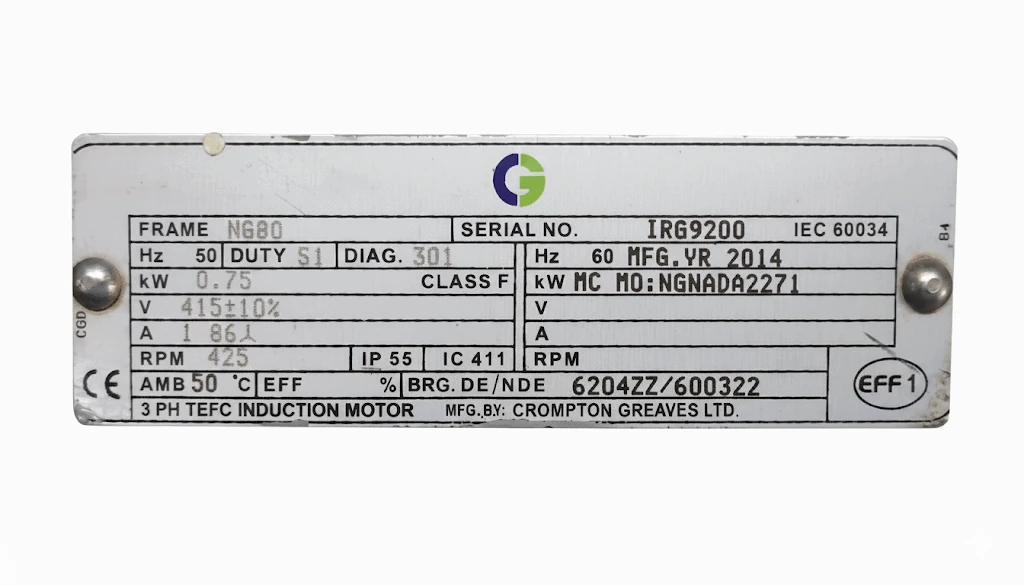
A field-by-field guide to motor nameplate details: kW/HP, voltage and delta/star connection, full-load current, speed and poles, power factor, efficiency, insulation, IP, IC, duty, bearings and Ex marking.
Read More →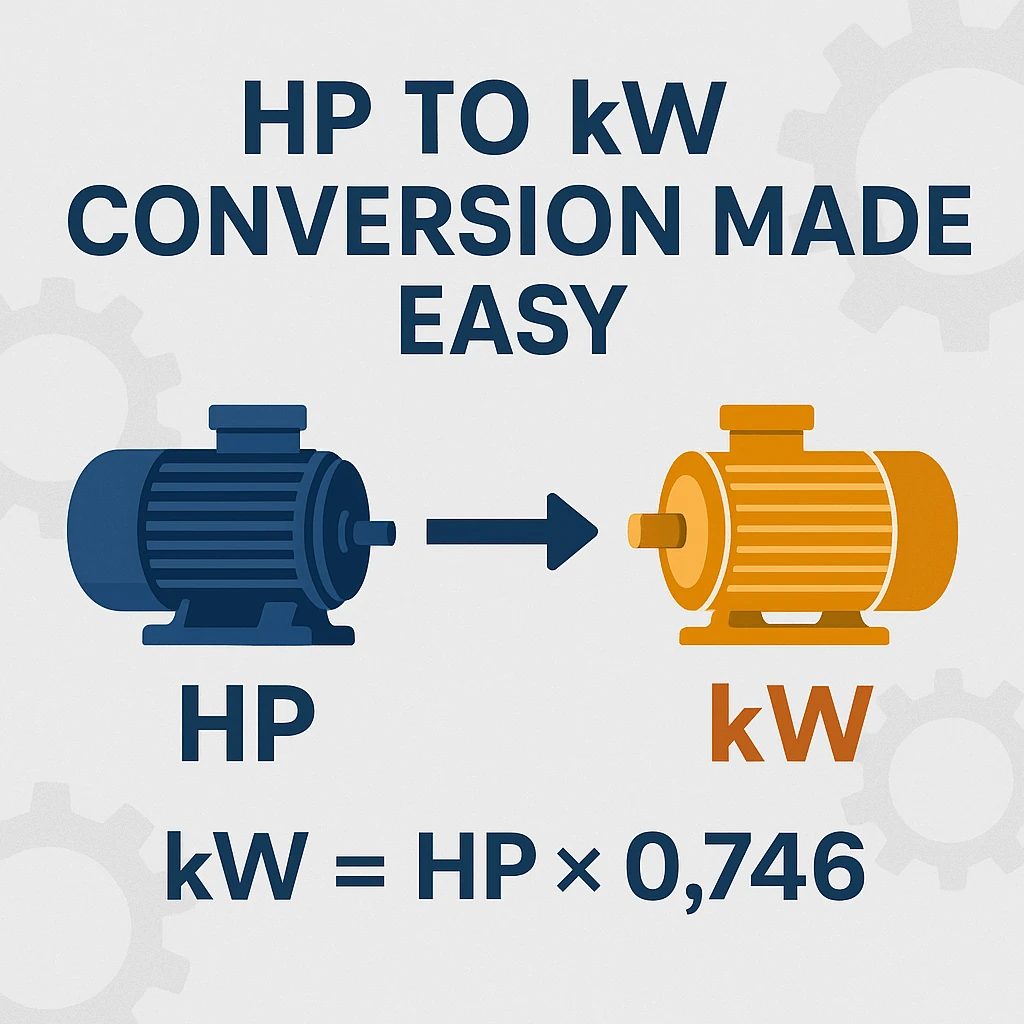
HP to kW Conversion Made Easy: A Practical Guide for Motor Users
Read More →